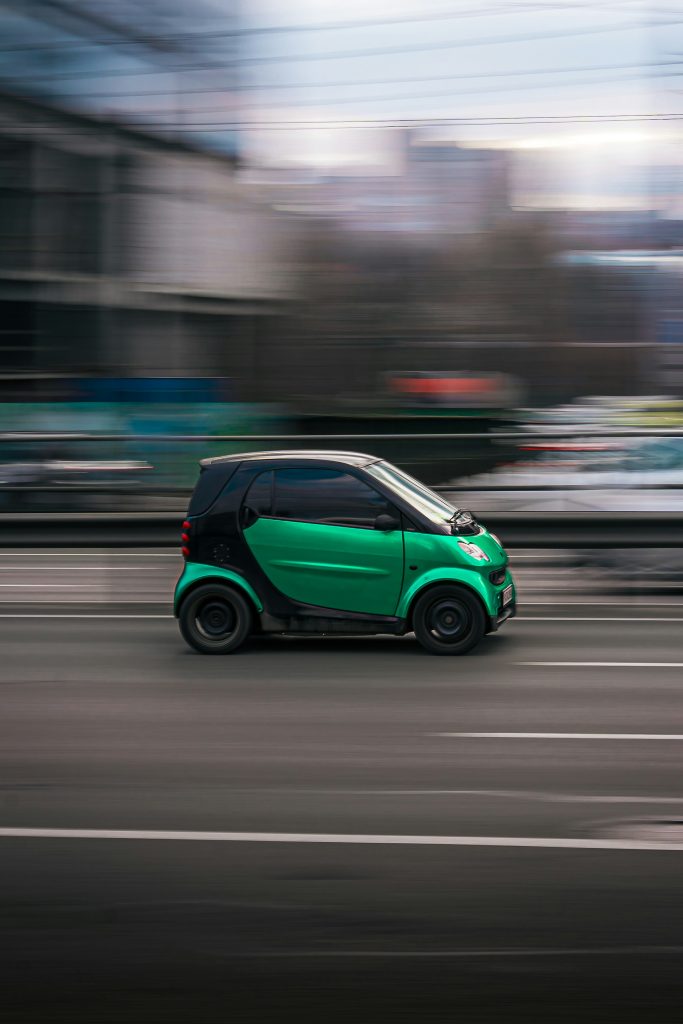
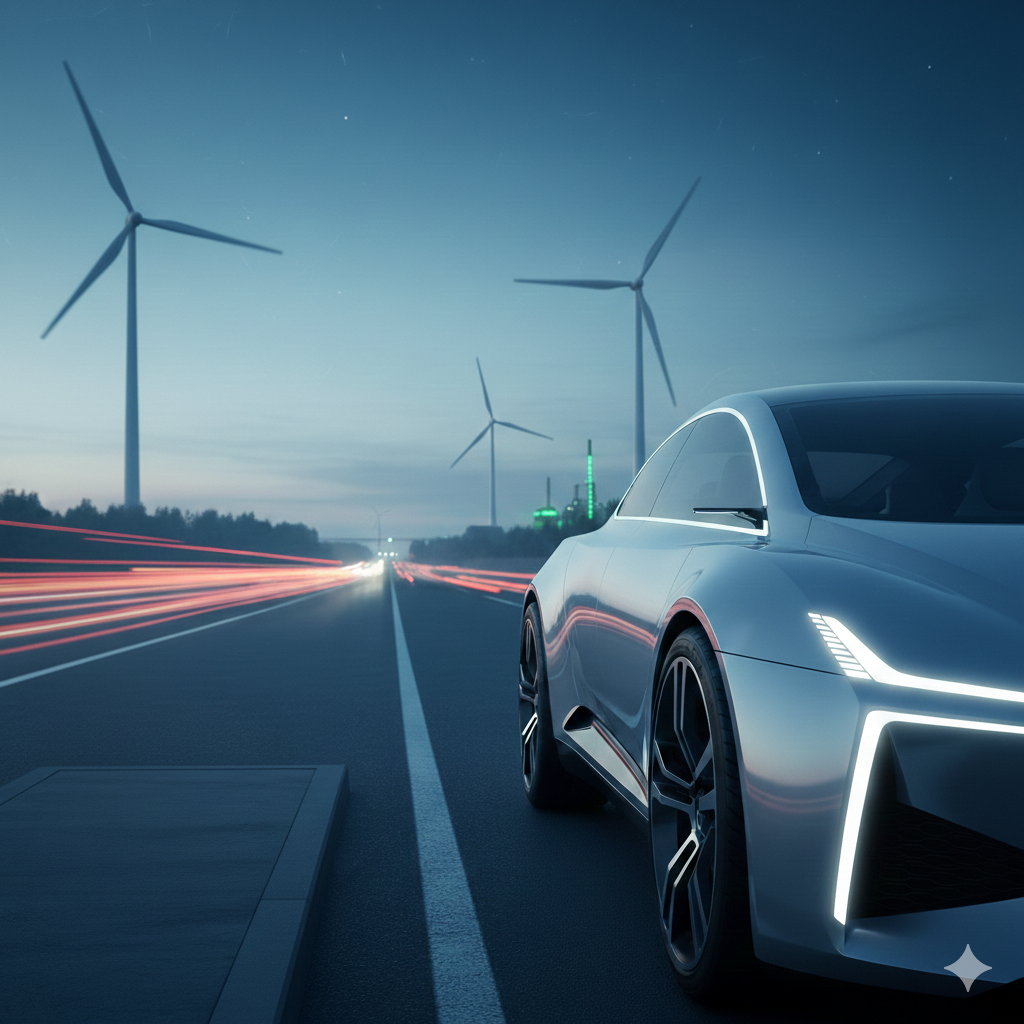
For decades, the automotive industry was defined by the philosophy of «bigger is better.» However, as we navigate through 2026, the skyline of urban transportation is shifting toward a more minimalist and efficient horizon. The rise of the Micro-EV (Electric Vehicle) is no longer a futuristic concept found only in architectural renders; it has become the primary solution for the modern commuter facing overcrowded city centers and increasingly strict zero-emission zones. These compact, agile machines are redefining what it means to own a vehicle in a metropolis where traditional SUVs are becoming a logistical liability.
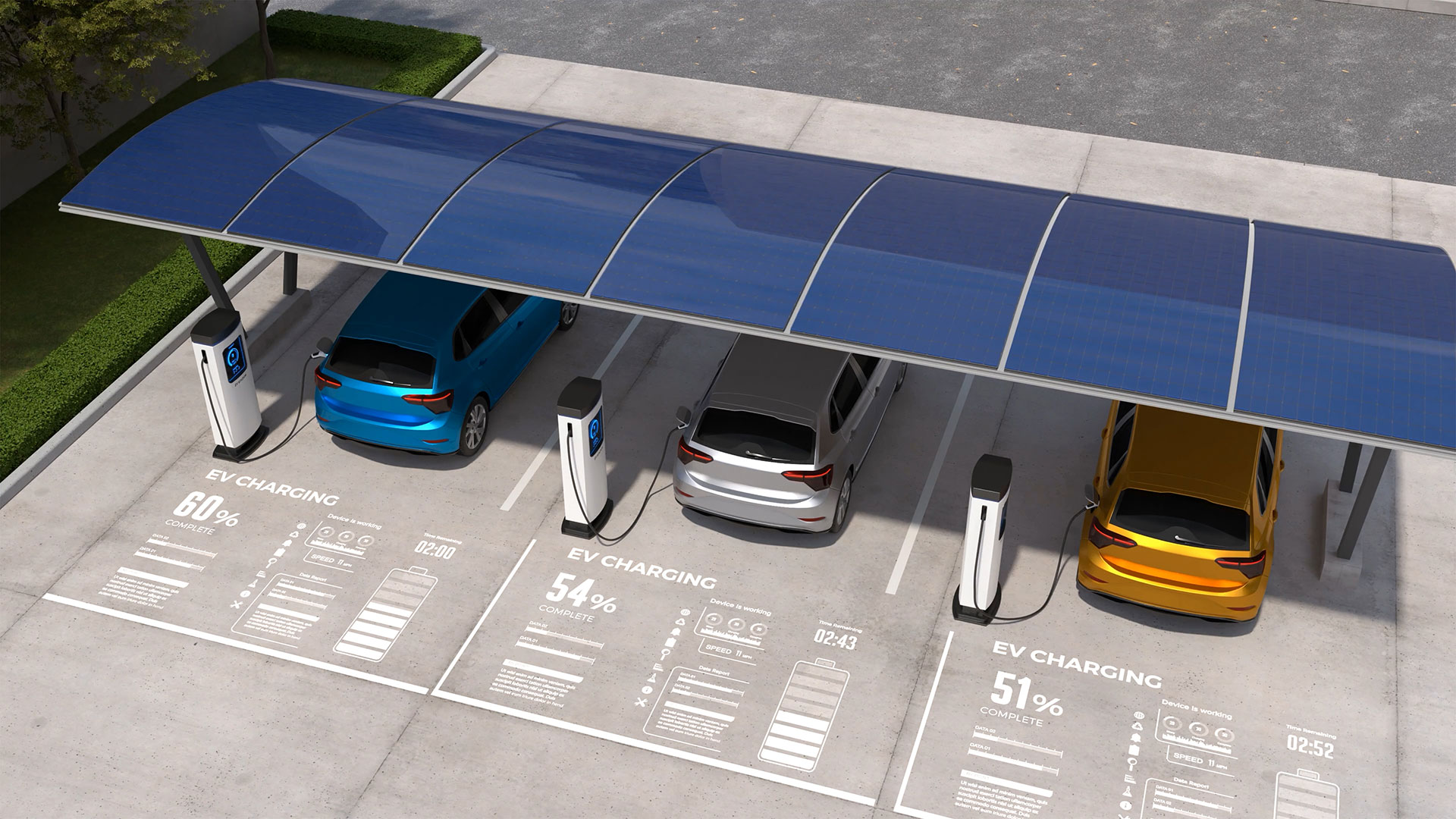
What makes this year’s crop of micro-vehicles different is the leap in integrated technology and safety. Unlike the glorified golf carts of the past, the 2026 generation features advanced crumple zones, AI-powered collision avoidance, and interchangeable battery swappable modules. This «battery-as-a-service» model allows drivers to swap a depleted cell for a fully charged one in less than 60 seconds at automated kiosks, completely bypassing the need for home charging infrastructure or long waits at public stations.

Furthermore, the interior design of these vehicles has undergone a radical transformation. By utilizing sustainable materials like mycelium-based leather and recycled ocean plastics, manufacturers are appealing to the eco-conscious Gen Z and Millennial demographics. These cars are also «software-first,» meaning they receive over-the-air updates that improve performance and add new autonomous parking features overnight. As city planners continue to reclaim street space for pedestrians and cyclists, the micro-EV stands as the perfect compromise—offering the privacy and comfort of a personal car with the footprint of a scooter.
Deja una respuesta