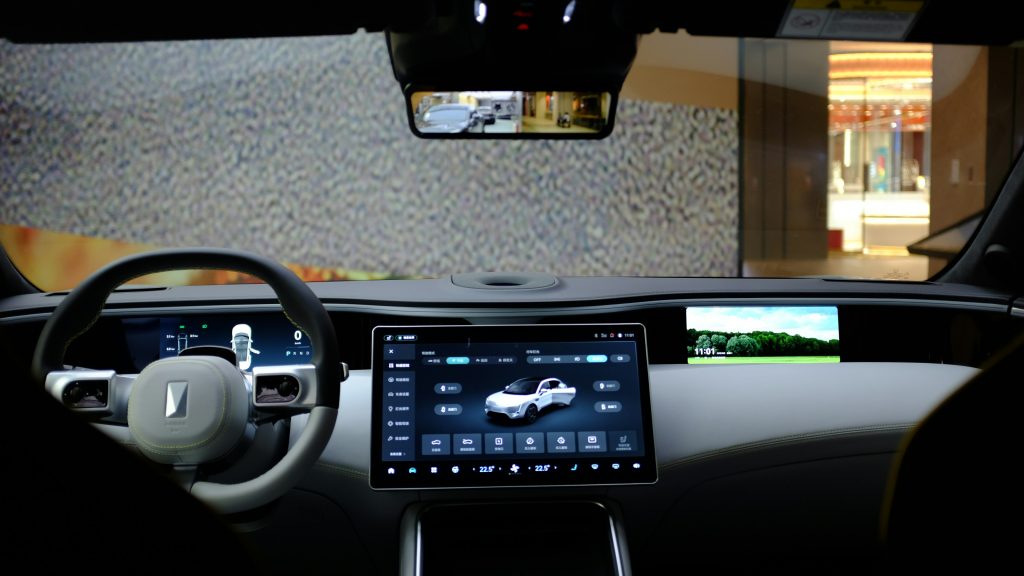
The year 2026 marks a historic milestone in automotive history: the widespread regulatory approval of Level 4 autonomous driving in several major global territories. This shift is fundamentally changing our relationship with vehicles, moving them from «machines we operate» to «living spaces on wheels.» Artificial Intelligence is no longer just a driver-assist tool; it has become the central nervous system of the modern car, capable of making complex ethical and logistical decisions in milliseconds.
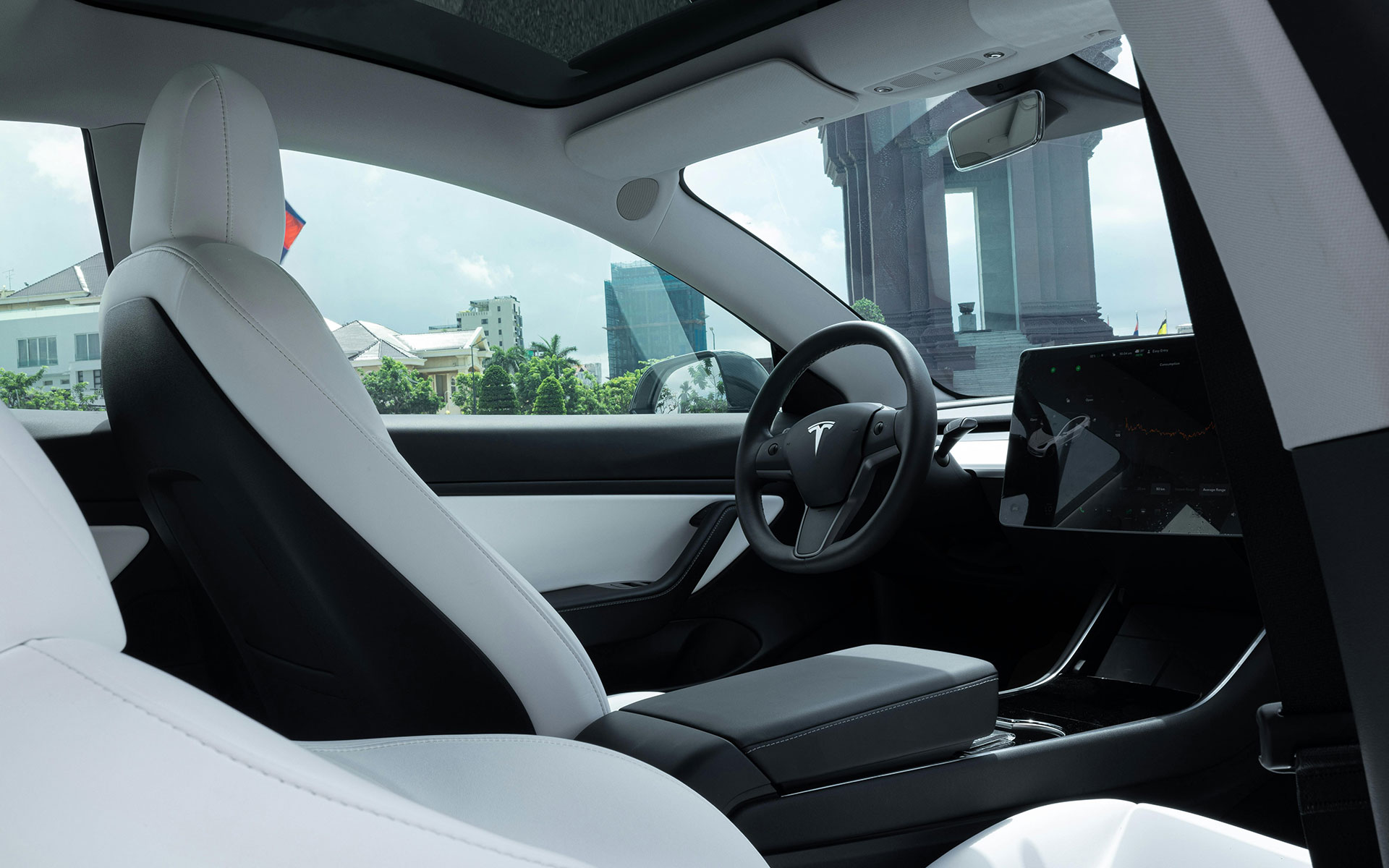
What makes this current generation of autonomous systems truly revolutionary is their ability to engage in «V2X» (Vehicle-to-Everything) communication. Your car is now constantly talking to the traffic lights, the road sensors, and every other vehicle around it. This interconnected mesh creates a seamless flow of traffic that has already reduced urban congestion by an estimated 30% in pilot cities. Inside the cabin, the traditional dashboard has been replaced by immersive augmented reality (AR) displays. Since the car handles the driving, the interior has been reimagined as a mobile office or a private cinema, featuring rotating seats and noise-canceling glass that creates a sanctuary amidst the city noise.
However, the revolution isn’t just about comfort; it’s about unprecedented safety. The AI systems of 2026 utilize a combination of solid-state LiDAR, high-resolution thermal imaging, and predictive algorithms that can «see» around corners by analyzing signal reflections. This allows the car to anticipate potential hazards—like a pedestrian stepping off a curb—long before they are visible to the human eye. As we move closer to a future with zero traffic fatalities, the car is evolving into the ultimate guardian of human life, proving that the most important part of the journey is no longer who is driving, but how safely we arrive.
Deja una respuesta