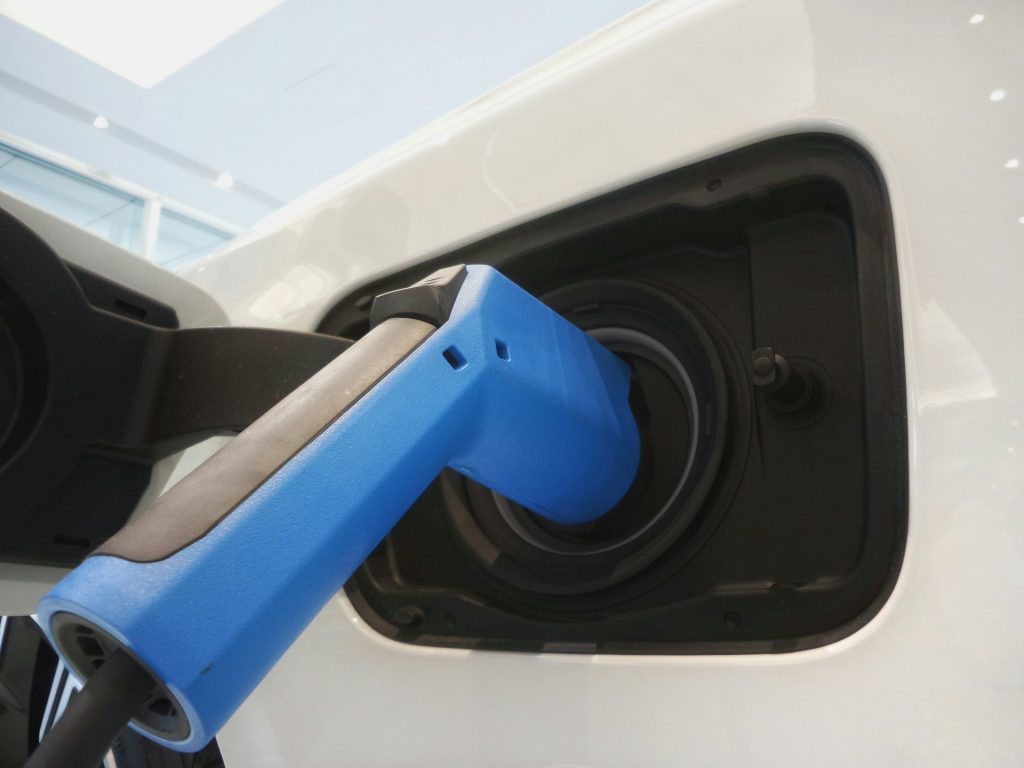
While battery electric vehicles (BEVs) have dominated the sustainable transport conversation for the past decade, 2026 is proving to be a definitive turning point for hydrogen fuel cell technology. A new wave of high-speed hydrogen refueling infrastructure across major European and American corridors is finally addressing the «range anxiety» and logistical hurdles that previously sidelined this zero-emission alternative.
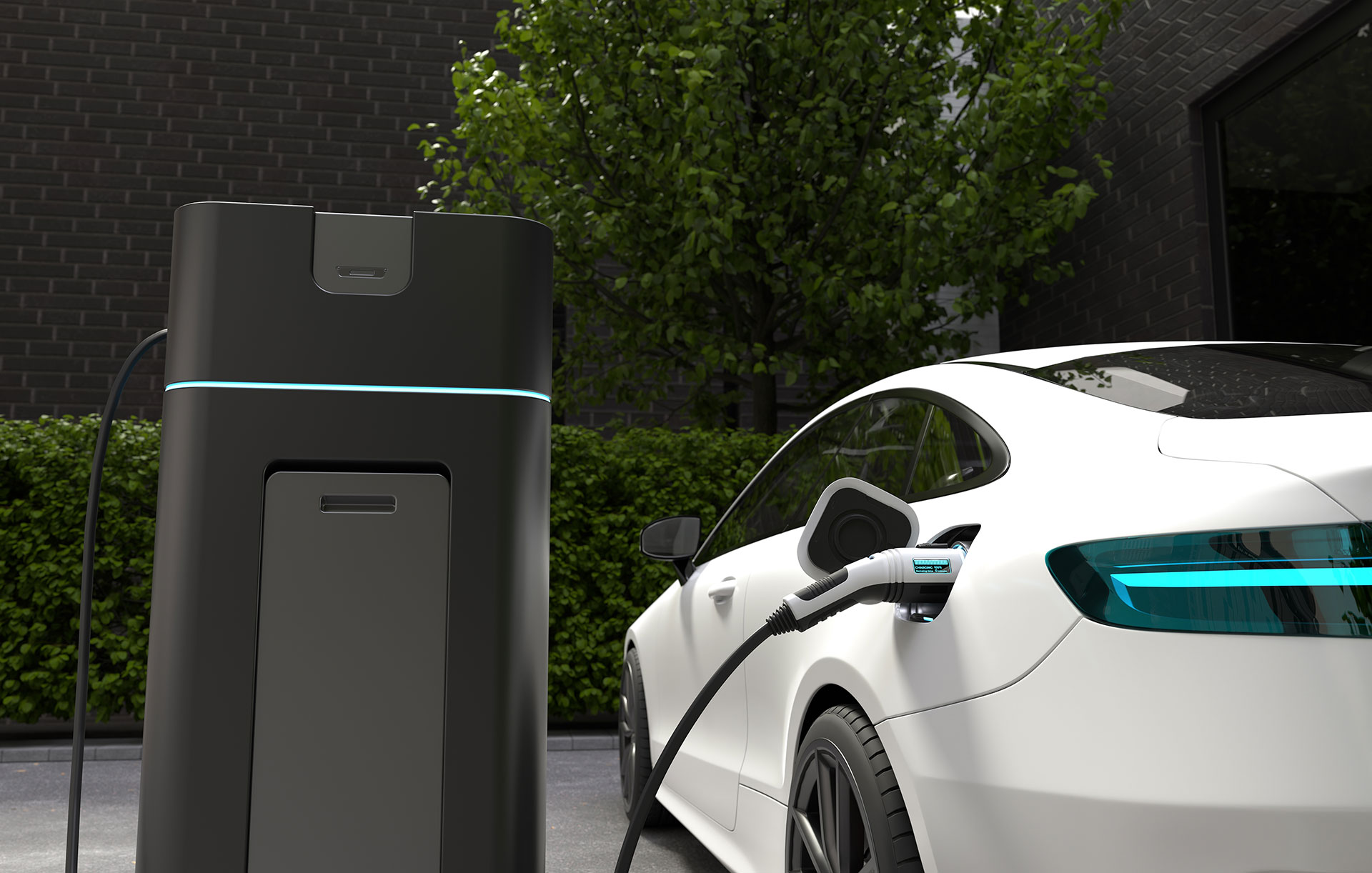
Unlike conventional electric cars that require lengthy charging stops, the latest generation of hydrogen models showcased this month offers an impressive range of up to 1,200 km on a single 5-minute refill. This efficiency is no longer just a laboratory dream. Industry analysts are closely monitoring how leading Japanese and German manufacturers have successfully scaled the production of carbon-fiber storage tanks, bringing consumer prices down to a level that is, for the first time, truly competitive with traditional internal combustion engines.

The debate now shifts from «if» to «how» these two technologies will coexist. Hydrogen presents a particularly compelling case for heavy-duty transport and long-distance travel, where the weight and charging time of massive battery packs become impractical. As we see more «green hydrogen» plants coming online—utilizing solar and wind energy to split water molecules without carbon output—the dream of a truly circular and clean energy economy feels closer than ever. Are we witnessing the beginning of the end for the lithium-ion era, or will the future of driving be a diverse landscape of multiple clean energies? One thing is certain: the competition is driving innovation at a pace never seen before in automotive history.
Deja una respuesta